
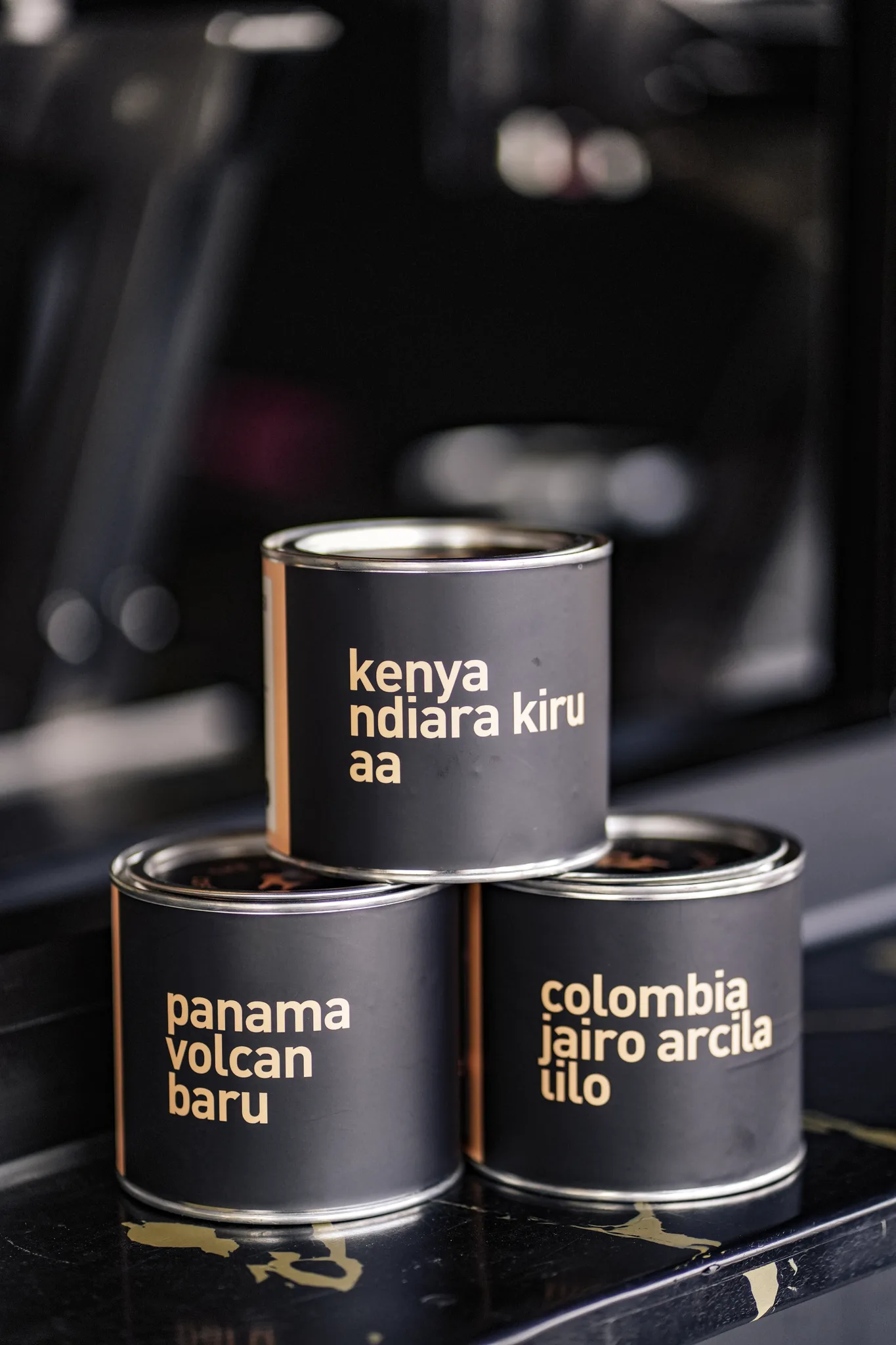
"Single origin" gets printed on a lot of menus in Bali. Here's what it actually means, why it tastes different from a house blend, and how to order the ones we pour so you sound like a regular.
Single origin vs. blend
A blend combines beans from several origins to hit a consistent, crowd-pleasing flavour — great for milk drinks and everyday espresso. A single origin comes from one place: one country, region, often one farm or washing station. It tastes of where it grew, which means more character and more variation from harvest to harvest. Blends are reliable; single origins are an experience.
How to taste it
Order a single origin as a filter, batch brew or V60, not drowned in milk. Let it cool a little — flavours open up as the temperature drops. Look for the three things graders look for: acidity (brightness), body (weight in the mouth), and the finish (what lingers).
What we pour
Grown high in West Java, it's sweet and syrupy with a soft, rounded body — an easy, local favourite and a gentle place to start.
The showpiece. Floral, bright and almost tea-like, with delicate stone-fruit notes. Best enjoyed black as a filter.
Cocoa, nuts and a full, comforting body. Low acidity makes it the crowd-pleaser of the line-up — and a great espresso.
Earthy, deep and bold in the classic Sumatran style. Big enough to stand up to milk if you prefer it that way.
Take some home
Our single origins are sold as 250g bags, whole bean or ground. Ask the bar what's freshest, or see the beans-to-go list. Whatever's pouring, tell your barista how you brew at home and they'll point you to the right one.
Published May 2026 · Updated July 2026 · By the team at The Goat Father